Sobre mí Blog Pide tu valoración gratuita AboutPricesFree consultation

— Hair treatment · Barcelona

PRP in Barcelona to
stop hair loss

Dr. Bermejo Pérez · Reg. no. 63226

Platelet-rich plasma to slow hair loss and stimulate the follicle. The regenerative hair treatment with the most scientific evidence — made from your own blood, with no external products, and with real results in androgenetic alopecia and diffuse shedding.

Not sure which treatment you need? Start with the AI hair diagnosis →

In short

PRP for hair uses platelet-rich plasma from your own blood to slow hair loss and strengthen the hair. A 45–60 minute session with no downtime, with effects lasting 6–12 months. Price: €150 per session. Treatment is performed by Dr. Rubén Bermejo Pérez, a registered aesthetic physician (COMB no. 63226), at Clínica Sagrada Família, Barcelona.

Dr. Bermejo explains how hair PRP uses your own blood to stimulate the follicle, and when it can help you.

6–12monthsDuration
45–60minPer session
NoneDowntime

Medical judgement

“PRP doesn't create new follicles. It reactivates dormant ones and slows the loss of those that still work. That's why starting early matters.”
Dr. Rubén Bermejo Pérez
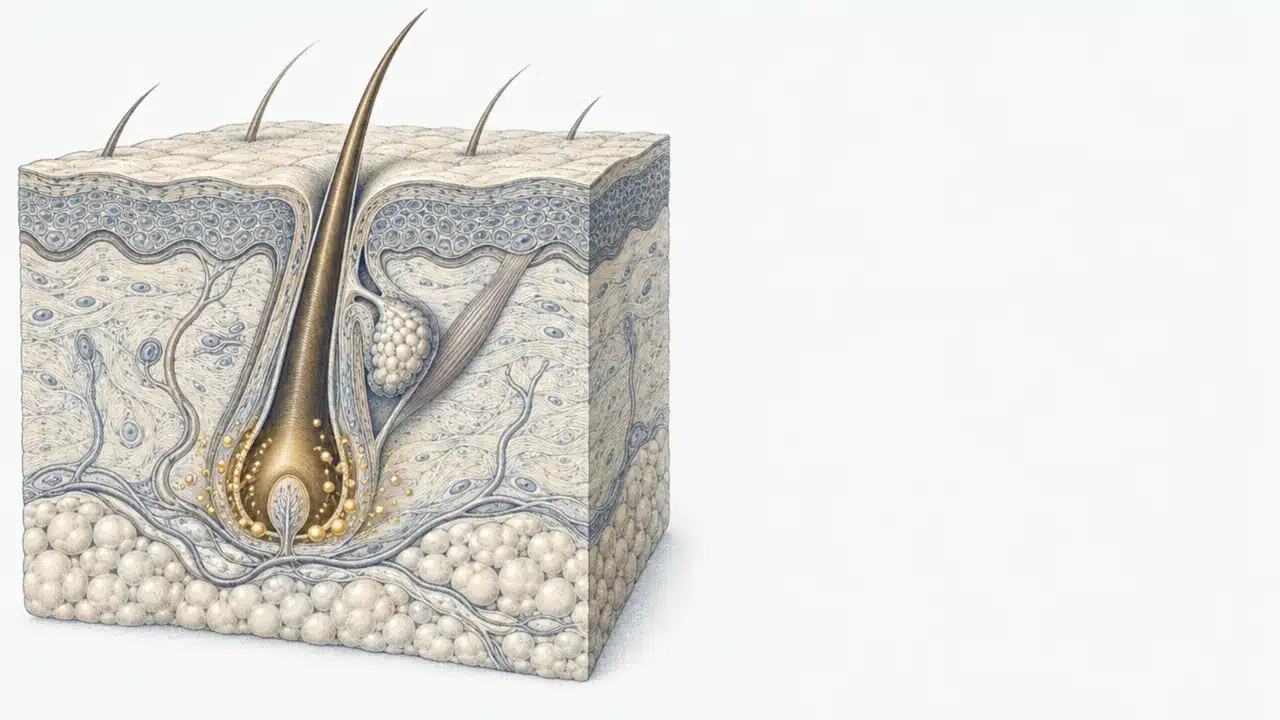
Illustration of a hair follicle receiving growth factors from PRP

How it works · Hair PRP

Stimulating the follicle with your own blood.

01
Growth factors

Platelets release them around the follicle.

02
Follicle

It is stimulated so the hair grows stronger.

03
Limit

If the follicle has already gone, it can't be recovered.

What it treats

What does hair PRP improve?

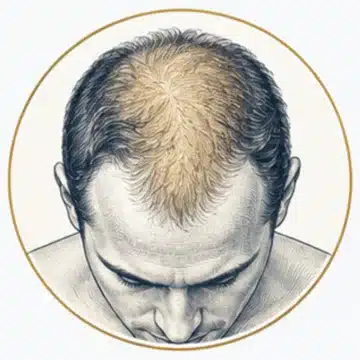
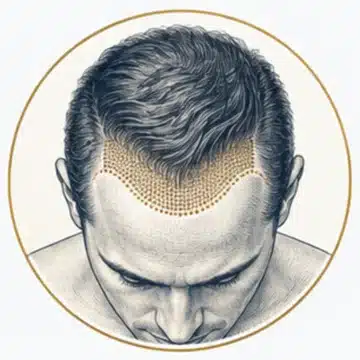
Hair PRP: androgenetic alopecia (illustration)
01

Androgenetic alopecia

Androgenetic (pattern) hair loss is the most common reason for hair PRP — in both men and women. The plasma's growth factors stimulate the miniaturised follicle, extend the growth phase of the hair cycle and slow the progression of hair loss. The sooner you start, the more active follicles there are to treat.

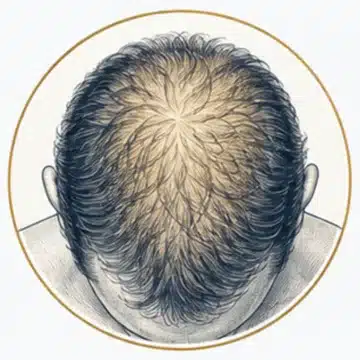
Hair PRP: diffuse shedding and telogen effluvium (illustration)
02

Diffuse shedding and telogen effluvium

Diffuse shedding — with no defined pattern, all over the scalp — can have hormonal, nutritional or stress-related causes. PRP slows active shedding and improves the quality of existing hair. Here it is especially important to rule out underlying causes before treating.

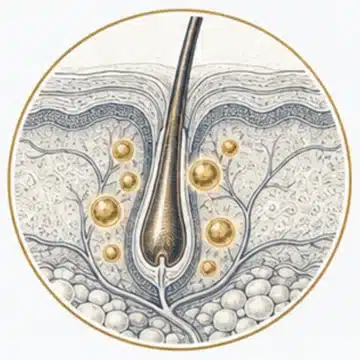
Hair PRP: alongside medical hair treatment (illustration)
03

Alongside medical hair treatment

PRP is the most effective add-on to topical and oral treatments for hair loss. Combined with minoxidil or injected dutasteride, the plasma's growth factors boost the effect of both. The combination outperforms any single treatment.

Hair PRP: before and after a hair transplant (illustration)
04

Before and after a hair transplant

After a hair transplant, PRP speeds up recovery of the transplanted follicles and improves graft survival. It is recommended on the recipient area in the weeks after the transplant. It is also used beforehand to optimise existing density.

The practical side

How long does it last, what is the 
recovery and how much does it cost?

Everything you need to know before your consultation. No small print.

How long it lasts
6–12months

With maintenance sessions every 3–6 months, the result holds and builds up. Consistency is key in hair treatment.

Session time
45–60min

Including the blood draw, centrifugation and application. Initial protocol of 3–4 sessions, 4–6 weeks apart.

Recovery
No downtime

Possible mild swelling or tenderness of the scalp for the first few hours. Normal life straight away.

Guide price
150€ / session

It depends on the area to treat and the session protocol. It is set at the assessment.

Clínica Sagrada Família · BarcelonaDr. Bermejo Pérez · Reg. no. 63226Free first visit
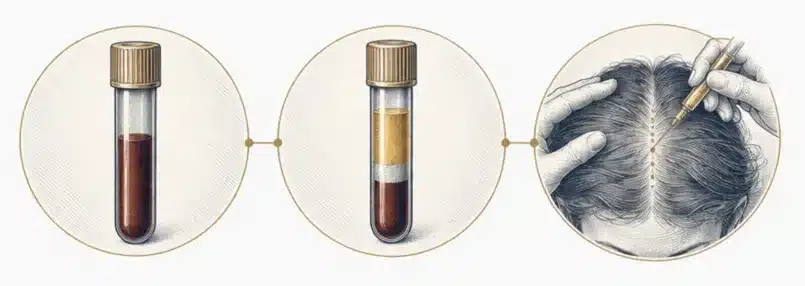
Illustration of the hair PRP process: blood draw, centrifugation and micro-injection

The process · Hair PRP

From the blood draw to the scalp.

01
Blood draw

A small blood sample.

02
Centrifugation

The platelet-rich plasma is separated.

03
Micro-injection

It is applied to the scalp, one session a month at first.

Who it's for

Who is it right — and who is it not for?

A good candidate

It is a good fit if…

  • You have active androgenetic alopecia with follicles still present
  • You have diffuse shedding or telogen effluvium
  • You want to complement your medical hair treatment with regeneration
  • You're having a hair transplant and want to optimise the result
  • You prefer a natural approach with no external products or allergy risk
Better to wait or consider another option

I don't recommend it if…

  • Hair loss is very advanced and the follicles can no longer be recovered
  • You have a clotting disorder or low platelets
  • You are taking anticoagulants
  • You have an active scalp infection

Not sure if it's for you? That is exactly what the consultation is for: I'll tell you honestly what I see.

Comparison

Hair PRP compared with other options.

What platelet-rich plasma offers compared with the other hair-loss treatments, with this clinic's prices and protocols.

Hair PRPHair mesotherapyInjected dutasterideExosomes
What is appliedPlasma from your own blood, concentrated in plateletsA cocktail of vitamins, minerals and activesA drug that reduces local DHTVesicles carrying regenerative signals
Mainly forHair density and qualityWeak hair and diffuse sheddingHormonal hair lossWeakened follicles
Initial protocol3–4 sessions every 4–6 weeks4–6 sessions every 2–3 weeks1 session a month for 3–4 monthsDepending on assessment
Price per session€150€55€90€110

What the studies say

What does the evidence say?

01

Support in androgenetic alopecia

Published systematic reviews and meta-analyses find an increase in hair density with PRP versus placebo in androgenetic alopecia. It is the regenerative hair treatment with the most studies.

02

Very different protocols

Studies use different preparations, concentrations and schedules, so results vary between clinics and between people. It works best while active follicles remain.

03

An add-on, not a replacement

PRP doesn't replace medication when hair loss is androgenetic: it usually works better combined with minoxidil or DHT inhibitors.

If you're worried about shedding after a hair transplant (shock loss), PRP is sometimes used to support recovery; the evidence for this use is still limited and we assess it case by case.

Free first visit · no commitment

I look at your whole case, not just one area.

In the consultation we study your case, talk about what you want and set the goals together. If you don't need treatment, I'll tell you that too.

Frequently asked questions

What people
ask me most.

Straight answers about hair PRP. If your question isn't here, write to me.

Ask me on WhatsApp →
Does hair PRP work for women?

Yes. It is used in female pattern hair loss and diffuse shedding, and it's a good option when some medications can't be used. First we confirm the cause of the hair loss with a hair diagnosis.

Does PRP help with shock loss after a transplant?

It is sometimes used to support scalp recovery after a graft, although studies on this use are still scarce. If that's your situation, we assess it together with your surgeon.

How much does hair PRP cost in Barcelona?

The guide price is €150 per session. It depends on the area to treat and the session protocol, and is set at the assessment. The first consultation is free. You can see all fees on the prices page.

How long do the results last?

Usually 6–12 months. With maintenance sessions every 3–6 months, the result holds and builds up. Consistency is key in hair treatment.

Where is it done and who does it?

At Clínica Sagrada Família, C/ Torras i Pujalt 1 (3rd floor), Barcelona. It is performed personally by Dr. Rubén Bermejo Pérez, registered physician no. 63226.

Does PRP grow new hair?

PRP can reactivate miniaturised follicles that are still present but inactive — in those cases new hair can appear in thinning areas. What it can't do is bring back follicles that have completely disappeared. That's why starting early in hair loss is essential.

When will I notice an improvement?

The first thing you notice — usually between the second and third session — is less shedding. Increased density and better hair quality show from the third month. The full result is assessed 6 months after the initial protocol.

Does it hurt?

The scalp is sensitive. We use local anaesthetic or mechanical vibration to minimise discomfort — most patients tolerate it well. For the first few hours there may be some tenderness or tightness, which goes away on its own.

How many sessions are needed?

The usual initial protocol is 3–4 sessions, 4–6 weeks apart. Then maintenance sessions every 4–6 months to keep the result. Consistency is essential — a single session has a limited, temporary effect.

Is it compatible with minoxidil and finasteride?

Yes — it is the most effective combination for androgenetic alopecia. PRP, minoxidil and finasteride or dutasteride work through different mechanisms and reinforce each other. If you're already on medical treatment, PRP complements and improves what you're taking.

Is there anything to do before the session?

Come with clean, dry hair, and have breakfast as normal — it involves a blood draw. If possible, avoid blood-thinning painkillers and supplements such as ibuprofen or omega-3 for 3–4 days beforehand, to improve plasma quality.

What should I avoid after treatment?

Don't wash your hair for the first 8–12 hours. Avoid intense exercise, heat and direct sun on the scalp for the rest of the day. Don't use irritating hair products on the scalp for the first 24 hours.

Free consultation

A conversation before a treatment.

First visit with no commitment. There is always an assessment first; if the treatment is right for you, it can be done the same day.

ClinicClínica Sagrada Família · C/ Torras i Pujalt 1, 3rd floor
Opening hoursMonday to Friday · 09:30 – 19:30
Phone and WhatsApp+34 614 29 41 18

In Sant Gervasi, next to Ronda del General Mitre. It is not in the area around the Sagrada Família basilica.

Skip to content