Sobre mí Blog Pide tu valoración gratuita AboutPricesFree consultation

— MICROPIGMENTATION · Barcelona

Micropigmentation after
phalloplasty in Barcelona

María Dolores Pérez Sancho · Nurse specialised in micropigmentation

Hyper-realistic micropigmentation to complete the visual result of phalloplasty. We recreate the glans, veins, wrinkles and anatomical details with an advanced medical technique — giving the surgical result a completely natural appearance.

In short

Micropigmentation after phalloplasty gives colour and a natural look to the glans and scars. It usually takes 2–3 sessions, recovery is minimal and results last 2–4 years; confidential care, with the price set at the assessment. At Dr. Rubén Bermejo Pérez's practice in Clínica Sagrada Família (Barcelona), with a prior medical assessment.

María Dolores Pérez Sancho explains how micropigmentation adds hyper-realism after phalloplasty.

2–4yearsDuration
2–3sessionsSessions
MinimalDowntime

Medical judgement

“Phalloplasty rebuilds the structure. Micropigmentation completes the picture — with the anatomical detail that makes the result read as real.”
María Dolores Pérez Sancho
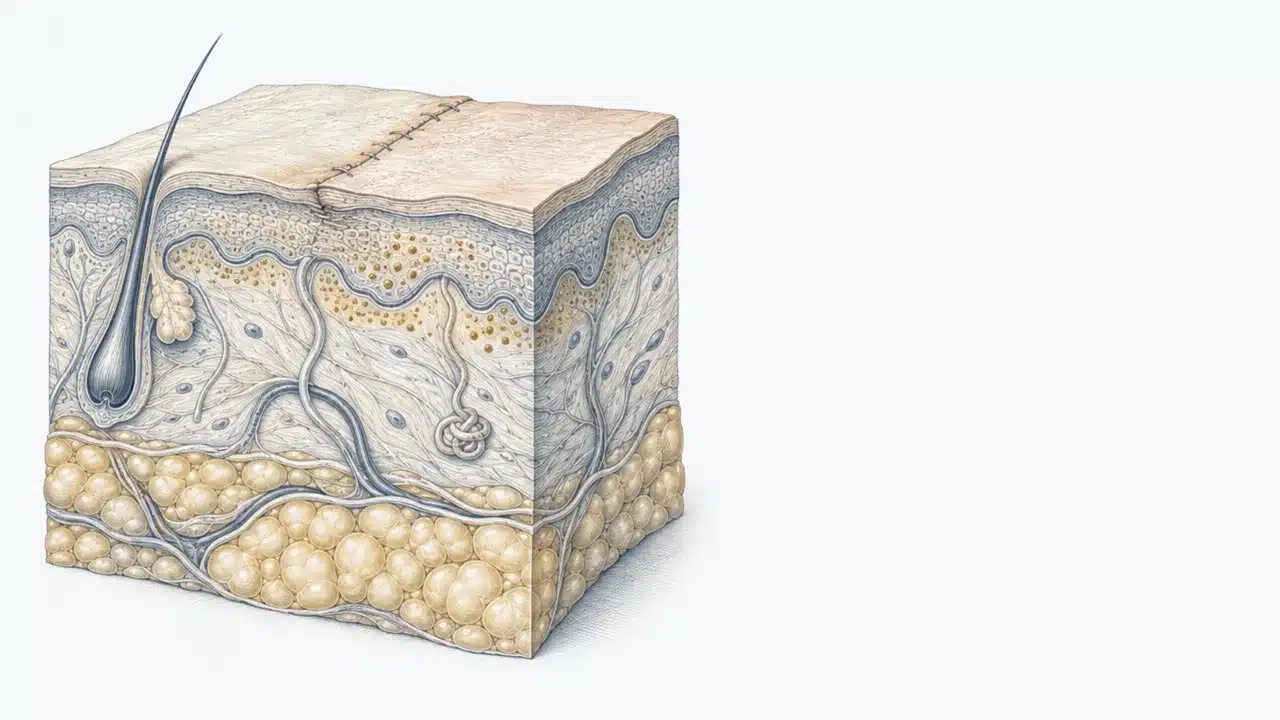
Diagram of graft skin with pigment adding realism after phalloplasty

Technique · Micropigmentation after phalloplasty

Realism in the final result.

01
Graft

Graft skin has a uniform tone.

02
Pigment

Light, shadow and natural nuances.

03
Assessment

Confidential, adapted to each case.

What it treats

What does micropigmentation after phalloplasty improve?

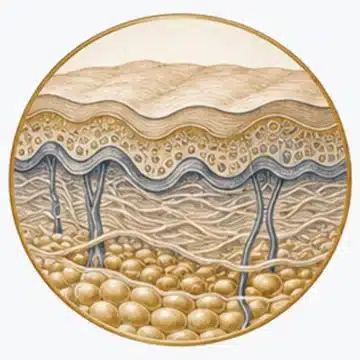
Micropigmentation after phalloplasty: recreating the glans (illustration)
01

Recreating the glans — three-dimensional shading

Phalloplasty rebuilds the anatomical structure but can't reproduce the colour and texture details of natural skin. Micropigmentation recreates the glans with three-dimensional shading — visually distinguishing the corona, groove and body of the glans with colour nuances that imitate natural variation in tone.

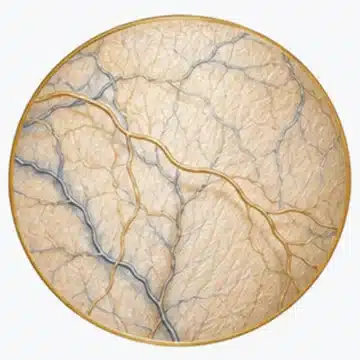
Micropigmentation after phalloplasty: simulating the vein pattern (illustration)
02

Simulating the vein pattern

Superficial veins are one of the anatomical details that contribute most to a natural look. Micropigmentation reproduces the vein pattern with specific bluish-green pigments — following a distribution consistent with real anatomy and adapted to the reconstructed tissue.

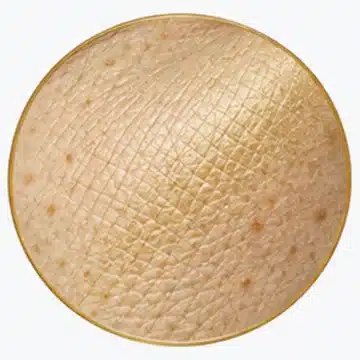
Micropigmentation after phalloplasty: textures, wrinkles and tone (illustration)
03

Textures, wrinkles and tone variations

Tissue reconstructed in phalloplasty has a uniform texture and tone that doesn't reproduce the natural variations of penile skin. Micropigmentation adds the wrinkles, folds and tone variations that make reconstructed tissue read as natural skin.

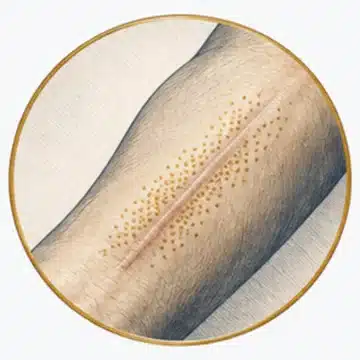
Micropigmentation after phalloplasty: donor-site scars (illustration)
04

Camouflaging donor-site scars

Scars from phalloplasty — at donor sites on the forearm, thigh or abdomen — can be camouflaged with micropigmentation to reduce their visibility. Each donor site needs a specific assessment and can be treated in the same session or separately.

The practical side

How long does it last, what is the 
recovery and how much does it cost?

Everything you need to know before your consultation. No small print.

How long it lasts
2–4years

It varies with the type of reconstructed tissue and how it holds pigment. A touch-up is recommended when the colour loses intensity.

Number of sessions
2–3sessions

6–8 weeks apart. Each session assesses and adjusts the previous result. Reconstructed tissue needs to progress session by session.

Recovery
Minimal

Possible mild tenderness for the first few hours. Specific aftercare while healing. No real downtime.

Consultation
Complete confidentiality

The assessment and treatment are completely confidential. Direct contact by WhatsApp for extra discretion.

Clínica Sagrada Família · BarcelonaMaría Dolores Pérez SanchoFree first visit

Who it's for

Who is it right — and who is it not for?

A good candidate

It is a good fit if…

  • You've completed phalloplasty and the scars are fully settled
  • At least 12–18 months have passed since your last surgery
  • You want to complete the visual result with hyper-realistic anatomical detail
  • You also want donor-site scars camouflaged
  • You have realistic expectations about what micropigmentation can and can't do
Better to wait or consider another option

I don't recommend it if…

  • Reconstructive surgery isn't finished or further procedures are pending
  • The scars haven't fully settled
  • There is an active infection or inflammation in the area
  • You have a very marked tendency to form keloids in scar tissue

Not sure if it's for you? That is exactly what the consultation is for: we'll tell you honestly what we see.

Free first visit · no commitment

We look at your whole case, not just one area.

In the consultation we study your case, talk about what you want and set the goals together. If you don't need treatment, we'll tell you that too.

Frequently asked questions

What people
ask us most.

Straight answers about micropigmentation after phalloplasty. If your question isn't here, write to us.

Ask us on WhatsApp →
How long do the results last?

Usually 2–4 years, depending on the type of reconstructed tissue and how it holds pigment. A touch-up is recommended when the colour loses intensity.

Where is it done and who does it?

At Clínica Sagrada Família, C/ Torras i Pujalt 1 (3rd floor), Barcelona. It is performed by María Dolores Pérez Sancho, a micropigmentation specialist.

When can micropigmentation be done after phalloplasty?

You need to wait until all scars are fully settled — usually 12 to 18 months after your last surgery. If surgical stages are still pending — urethroplasty, erectile implant — it's best to wait until the process is complete. Working on maturing tissue gives unpredictable results.

Which anatomical details can be reproduced?

The hyper-realistic result includes recreating the glans with its colour gradation and the distinction of corona and groove, the superficial vein pattern with bluish-green pigments, tone and texture variations along the shaft, and the natural wrinkles and folds of the tissue. Each element uses specific pigments and techniques — not a flat colour but a multi-layered composition.

How realistic is the result?

With the right technique, very realistic. The difference between a hyper-realistic result and one that looks like micropigmentation lies in pigment selection, working in layers and anatomical understanding. Not every micropigmentation clinic has specific training for this — it's a highly specialised technique.

Can the donor site be treated too?

Yes. Donor-site scars — usually forearm, thigh or abdomen — can be camouflaged with micropigmentation once fully settled. They can be treated in the same session as the reconstructed area or separately. Each donor site needs a specific tone match for that skin.

How many sessions are needed?

The usual protocol is 2–3 sessions, 6–8 weeks apart. The first sets the colour base and overall design — the following ones add layers of detail, adjust the tone and refine the result. Reconstructed tissue can react to pigment differently from normal skin — progressing session by session is essential.

Is the consultation confidential?

Completely. Your information is protected by medical confidentiality. For extra discretion, first contact can be made directly by WhatsApp. Questions during the consultation are strictly clinical — nothing personal that isn't relevant to the treatment.

Does it hurt?

We apply numbing cream beforehand. Sensitivity in the reconstructed area depends on the neurological outcome of surgery — some patients have reduced or no sensation in parts of the tissue, which makes treatment more tolerable. The assessment includes checking sensitivity in each area before starting.

Free consultation

A conversation before a treatment.

First visit with no commitment. There is always an assessment first; if the treatment is right for you, it can be done the same day.

ClinicClínica Sagrada Família · C/ Torras i Pujalt 1, 3rd floor
Opening hoursMonday to Friday · 09:30 – 19:30
Phone and WhatsApp+34 614 29 41 18

In Sant Gervasi, next to Ronda del General Mitre. It is not in the area around the Sagrada Família basilica.

Skip to content