Sobre mí Blog Pide tu valoración gratuita AboutPricesFree consultation

— MICROPIGMENTATION · Barcelona

Micropigmentation to camouflage vitiligo
in Barcelona.

María Dolores Pérez Sancho · Nurse specialised in micropigmentation

Camouflage of vitiligo patches with precise medical micropigmentation. It matches the tone of depigmented areas to the surrounding skin — with no systemic treatment, no downtime and a result adapted to each patient's skin type.

In short

Vitiligo micropigmentation camouflages depigmented patches with pigments that match your skin tone. It usually takes 2–3 sessions, recovery is minimal and results last 1–3 years. Price: €330 per session. At Dr. Rubén Bermejo Pérez's practice in Clínica Sagrada Família (Barcelona), with a prior medical assessment.

María Dolores Pérez Sancho explains how micropigmentation camouflages vitiligo patches, always with a colour test first.

1–3yearsDuration
2–3sessionsSessions
MinimalDowntime

Medical judgement

Micropigmentation doesn't cure vitiligo. It camouflages it — with judgement, precision and a tone the eye can't tell apart from the surrounding skin.”
María Dolores Pérez Sancho
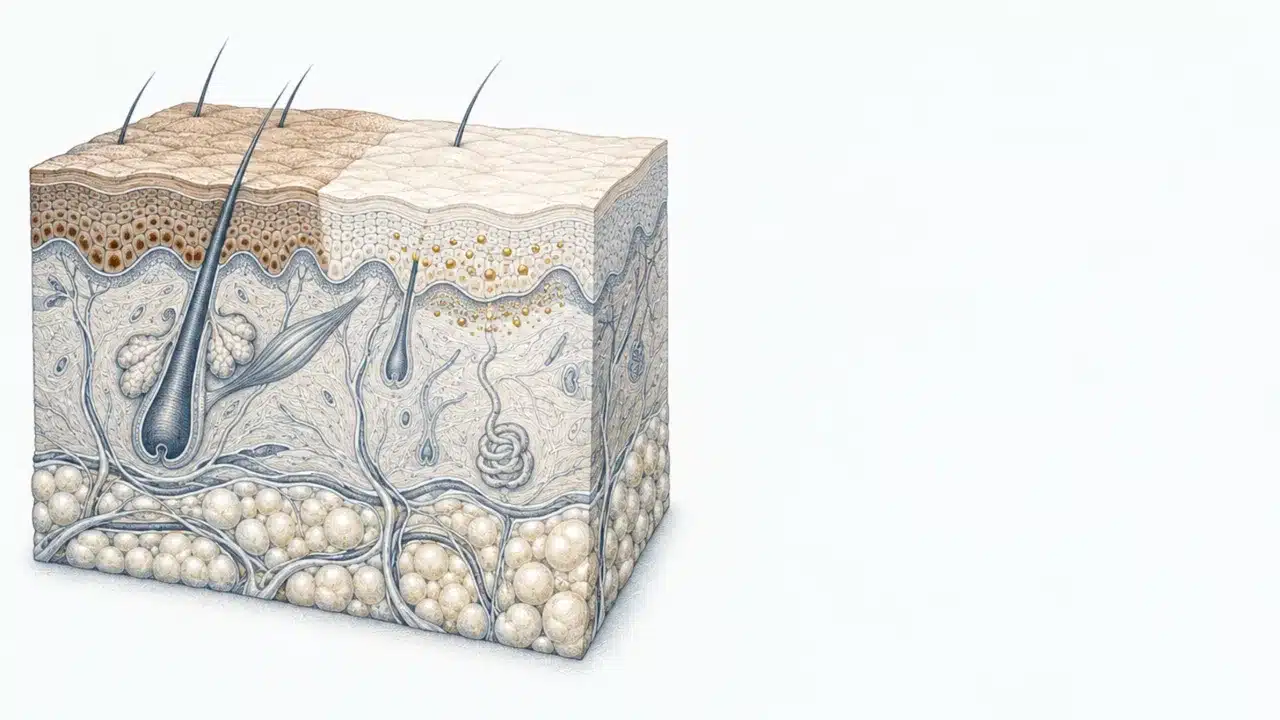
Diagram of skin with vitiligo and pigment matching the tone

Technique · Vitiligo micropigmentation

Matching the tone of your skin.

01
Vitiligo

Areas without melanocytes, lighter in tone.

02
Camouflage

The pigment disguises the colour difference.

03
Colour test

Always done first to check the skin is suitable.

Micropigmentation doesn't cure vitiligo: it camouflages it.

What it treats

What does vitiligo micropigmentation improve?

Vitiligo micropigmentation: stable facial vitiligo (illustration)
01

Stable facial vitiligo

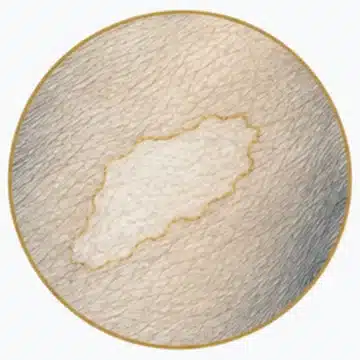
Stable vitiligo patches on the face — around the lips, eyelids, forehead, chin — have the greatest visual impact and affect self-image the most. Micropigmentation matches the tone of the depigmented area to the surrounding skin very precisely. This is where it has the biggest impact on quality of life.

Vitiligo micropigmentation: highly visible areas (illustration)
02

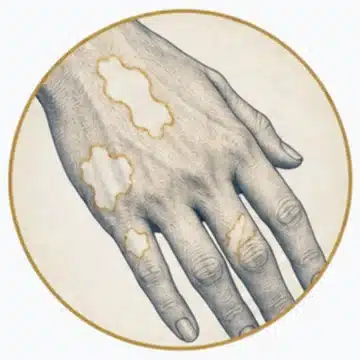
Vitiligo in highly visible areas

Patches on the neck, hands, forearms and other highly visible areas significantly affect everyday image. Micropigmentation in these areas reduces the visual contrast with the surrounding skin — the result isn't perfect, but it makes a significant difference in visual impact and quality of life.

Vitiligo micropigmentation: genital and intimate vitiligo (illustration)
03

Genital and intimate vitiligo

Genital vitiligo — on the pubic area, external genitals or perianal area — can be treated with specific medical micropigmentation. This area needs pigments and techniques adapted to mucosal and genital skin. The consultation is completely confidential and the approach is strictly medical.

Vitiligo micropigmentation: stable vitiligo without response to treatment (illustration)
04

Stable vitiligo that hasn't responded to medical treatment

When vitiligo is stable — no new patches in the last 12–24 months — and dermatological treatment hasn't achieved repigmentation, micropigmentation is the most effective way to reduce the visual impact. It's important to rule out disease activity first — an active patch can spread over the pigmented area.

The practical side

How long does it last, what is the 
recovery and how much does it cost?

Everything you need to know before your consultation. No small print.

How long it lasts
1–3years

It varies with skin type, the area treated and sun exposure. Depigmented skin processes pigment differently from normal skin.

Number of sessions
2–3sessions

6–8 weeks apart. Each session reviews the result of the previous one before continuing. The exact number depends on the size and location of the patches.

Recovery
Minimal

Possible mild redness for the first few hours. Normal life straight away. Strict sun protection while healing.

Guide price
330€ / session

It depends on the size, location and number of patches to treat. It is set at the assessment.

Clínica Sagrada Família · BarcelonaMaría Dolores Pérez SanchoFree first visit

Who it's for

Who is it right — and who is it not for?

A good candidate

It is a good fit if…

  • Your vitiligo is stable — no new patches in the last 12–24 months
  • The patches are in visible areas that affect your everyday image
  • Dermatological treatment hasn't achieved repigmentation
  • The patches have well-defined edges and a manageable size
  • You have realistic expectations — camouflage, not a cure
Better to wait or consider another option

I don't recommend it if…

  • Your vitiligo is active — with new patches or recent spreading
  • The patches are very large or very irregular — the result is less predictable
  • You tend to form keloid scars
  • You are pregnant or breastfeeding

Not sure if it's for you? That is exactly what the consultation is for: we'll tell you honestly what we see.

Free first visit · no commitment

We look at your whole case, not just one area.

In the consultation we study your case, talk about what you want and set the goals together. If you don't need treatment, we'll tell you that too.

Frequently asked questions

What people
ask us most.

Straight answers about vitiligo micropigmentation. If your question isn't here, write to us.

Ask us on WhatsApp →
How much does vitiligo micropigmentation cost in Barcelona?

The guide price is €330 per session. It depends on the size, location and number of patches to treat, and is set at the assessment. The first consultation is free. You can see all fees on the prices page.

How long do the results last?

Usually 1–3 years. It varies with skin type, the area treated and sun exposure; depigmented skin processes pigment differently from normal skin.

Where is it done and who does it?

At Clínica Sagrada Família, C/ Torras i Pujalt 1 (3rd floor), Barcelona. It is performed by María Dolores Pérez Sancho, a micropigmentation specialist.

Does micropigmentation cure vitiligo?

No. Vitiligo micropigmentation is camouflage — it visually matches the patch to the surrounding skin but doesn't treat the cause of the condition or stimulate natural repigmentation. It is an aesthetic solution to reduce the visual impact of vitiligo, not a medical treatment of the disease.

Why is it so important that vitiligo is stable?

Active vitiligo can spread over the treated area — the pigment then sits in skin the condition has since depigmented, creating a very visible, artificial result. There is also the Koebner phenomenon — trauma to the skin can trigger new patches in people with active vitiligo. That's why stability must be confirmed before treating.

How is the right tone chosen?

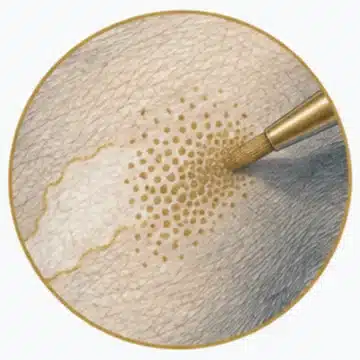
Choosing the tone is the most demanding part of vitiligo micropigmentation. Several pigments are mixed to match the surrounding skin exactly — with its warm, cool and neutral undertones. Before treating the whole patch, we do a tone test at the edge and wait 24–48 hours to see how the pigment settles in that particular skin.

What happens if my skin tans in summer?

This is the main limitation. Pigment doesn't tan — the surrounding skin does. In summer, with tanned skin, the contrast between the treated area and natural skin can increase. That's why we recommend strict sun protection on treated areas — not only while healing but permanently, to minimise the seasonal difference in tone.

How many sessions are needed?

Usually 2 to 3 sessions, 6–8 weeks apart. The first session lays the base and shows how the pigment behaves in your skin. The following ones adjust the tone and refine the result. Small patches may need only 2 sessions — larger or very irregular ones may need a third.

Can it be done anywhere on the body?

In most areas, yes — face, neck, hands, forearms, genital area. Each area has its own technical considerations. Areas with more movement — hands, joints — process pigment faster. Genital areas need specific pigments and techniques. We explain it at the assessment for your particular case.

Does it hurt?

We apply numbing cream beforehand. Discomfort varies by area — the face is usually better tolerated than the hands or genital area. Vitiligo skin can have altered sensitivity in some cases. Most patients tolerate it well with numbing cream.

Free consultation

A conversation before a treatment.

First visit with no commitment. There is always an assessment first; if the treatment is right for you, it can be done the same day.

ClinicClínica Sagrada Família · C/ Torras i Pujalt 1, 3rd floor
Opening hoursMonday to Friday · 09:30 – 19:30
Phone and WhatsApp+34 614 29 41 18

In Sant Gervasi, next to Ronda del General Mitre. It is not in the area around the Sagrada Família basilica.

Skip to content