Sobre mí Blog Pide tu valoración gratuita AboutPricesFree consultation

— MICROPIGMENTATION · Barcelona

Micropigmentation for
scar camouflage in Barcelona

María Dolores Pérez Sancho · Nurse specialised in micropigmentation

Medical micropigmentation to reduce the visibility of surgical, traumatic or self-harm scars. It matches the tone of the scar to the surrounding skin — with no surgery, no downtime and a result that significantly reduces the visual impact.

In short

Scar micropigmentation matches the colour of the scar to the skin to disguise it. It usually takes 2–3 sessions, recovery is minimal and results last 2–4 years; the price is set at the assessment. At Dr. Rubén Bermejo Pérez's practice in Clínica Sagrada Família (Barcelona), with a prior medical assessment.

María Dolores Pérez Sancho explains how micropigmentation camouflages scars from surgery, accidents or burns.

2–4yearsDuration
2–3sessionsSessions
MinimalDowntime

Medical judgement

“A camouflaged scar doesn't disappear. It blends in — in tone, in visual texture and in how the eye reads the skin around it.”
María Dolores Pérez Sancho
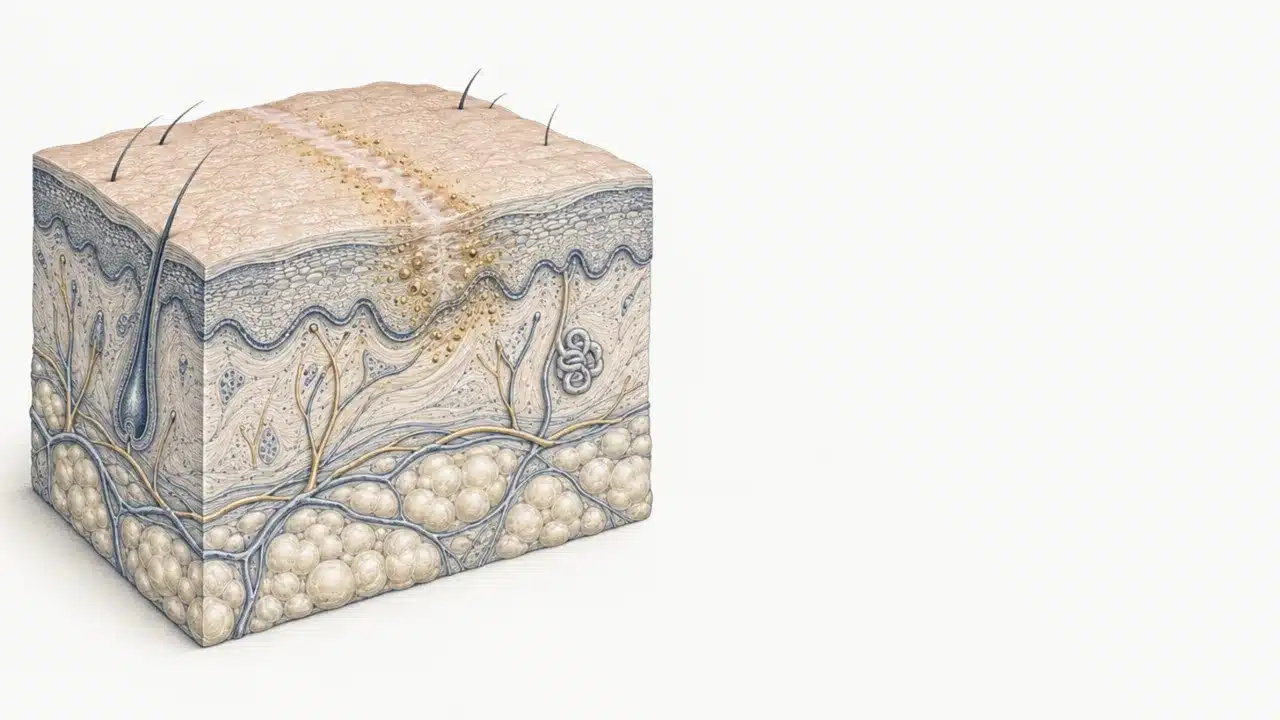
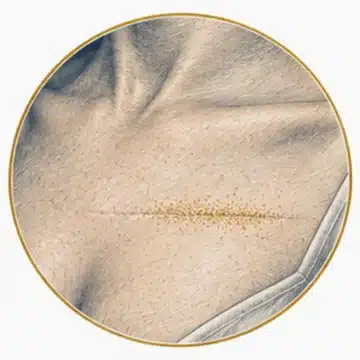
Diagram of a scar camouflaged with skin-toned pigment

Technique · Scar micropigmentation

Blending the scar into your skin.

01
Assessment

We study the type of scar and your skin tone.

02
Pigment

The colour is matched to the surrounding skin.

03
Indications

Scars from surgery, breast surgery, accidents or burns.

What it treats

What does scar micropigmentation improve?

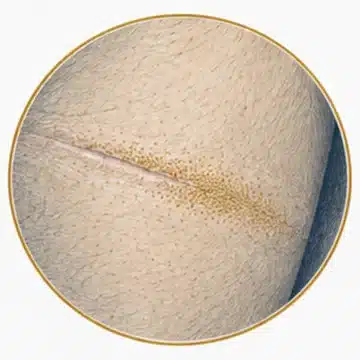
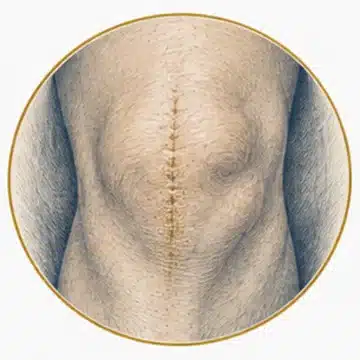
Scar micropigmentation: surgical scars (illustration)
01

Surgical scars

Surgical scars — appendectomy, caesarean, mastectomy, orthopaedic surgery, hair transplant — are ideal candidates for micropigmentation camouflage once fully settled. The pigment matches the lighter or darker tone of the scar to the surrounding skin, significantly reducing the visual contrast.

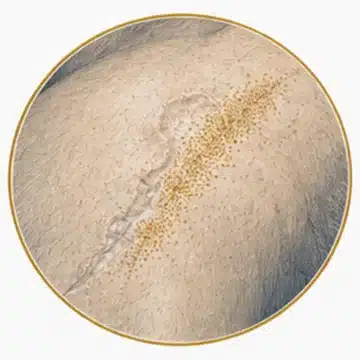
Scar micropigmentation: hypopigmented traumatic scars (illustration)
02

Hypopigmented traumatic scars

Scars from accidents, superficial burns or injuries with hypopigmentation — areas lighter than the surrounding skin — respond very well to micropigmentation camouflage. The pigment matches the tone of the lighter area, creating an almost imperceptible transition with healthy skin. This is where micropigmentation gives the most striking results.

Scar micropigmentation: self-harm scars (illustration)
03

Self-harm scars

Self-harm scars — usually on the forearms, wrists or thighs — can be camouflaged with micropigmentation once fully settled and when the person is in an emotionally stable situation. The consultation is completely confidential and non-judgemental. Camouflage can be an important tool in recovering body image.

Scar micropigmentation: scars after transition surgery (illustration)
04

Scars after transition surgery

Scars from transition surgery — mastectomy in trans men, phalloplasty, vaginoplasty — can be camouflaged with micropigmentation to complete the aesthetic result. Each case needs a specific approach depending on location, scar type and the surgical result.

The practical side

How long does it last, what is the 
recovery and how much does it cost?

Everything you need to know before your consultation. No small print.

How long it lasts
2–4years

It varies with the type of scar, the area and sun exposure. Very fibrous scar tissue tends to hold pigment longer.

Number of sessions
2–3sessions

6–8 weeks apart. Each session reviews the previous result before continuing. The exact number depends on the type and size of the scar.

Recovery
Minimal

Possible mild redness for the first few hours. Strict sun protection while healing. No real downtime.

Guide price
On assessment

It depends on the size, location and type of scar. It is always set at the assessment after evaluating the case.

Clínica Sagrada Família · BarcelonaMaría Dolores Pérez SanchoFree first visit

Who it's for

Who is it right — and who is it not for?

A good candidate

It is a good fit if…

  • The scar is fully settled — at least 12–18 months old
  • The scar is hypopigmented — lighter than the surrounding skin
  • The scar's edges are fairly regular and well defined
  • The scar is flat or slightly sunken — not raised or keloid
  • You have realistic expectations — the aim is to reduce the visual impact, not remove the scar
Better to wait or consider another option

I don't recommend it if…

  • The scar is recent or still maturing
  • It's a keloid or hypertrophic scar with marked relief
  • The scar is very hyperpigmented — pigment doesn't correct excess melanin
  • You tend to form keloids — the treatment could trigger them

Not sure if it's for you? That is exactly what the consultation is for: we'll tell you honestly what we see.

Free first visit · no commitment

We look at your whole case, not just one area.

In the consultation we study your case, talk about what you want and set the goals together. If you don't need treatment, we'll tell you that too.

Frequently asked questions

What people
ask us most.

Straight answers about scar micropigmentation. If your question isn't here, write to us.

Ask us on WhatsApp →
How much does scar micropigmentation cost in Barcelona?

There isn't a single price. It depends on the size, location and type of scar, and is always set at the assessment. The first consultation is free. You can see all fees on the prices page.

How long do the results last?

Usually 2–4 years, depending on the type of scar, the area and sun exposure. Very fibrous scar tissue tends to hold pigment longer.

Where is it done and who does it?

At Clínica Sagrada Família, C/ Torras i Pujalt 1 (3rd floor), Barcelona. It is performed by María Dolores Pérez Sancho, a micropigmentation specialist.

When can a scar be treated?

The scar must be fully settled — at least 12 to 18 months after the injury or surgery. An immature scar keeps changing in tone and texture — treated at that stage, the pigment may end up in an area that later changes and the result can look artificial or uneven. Patience before treating is part of the protocol.

Which scars respond best?

Flat or slightly sunken scars with hypopigmentation — lighter than the surrounding skin — respond best. Here the pigment matches the tone very precisely and the result can be striking. Hyperpigmented scars respond less well — pigment doesn't correct excess melanin. Keloid or hypertrophic scars aren't suitable.

Will the scar disappear?

It doesn't disappear — it's camouflaged. The aim is to reduce the visual contrast between the scar and the surrounding skin so the eye doesn't pick it out at a glance. The scar's relief doesn't change — only its tone. In normal light the result can be very significant. Under raking light or to the touch, the scar is still perceptible.

How many sessions are needed?

Between 2 and 3 sessions, 6–8 weeks apart. The first lays the base and shows how that particular scar tissue holds pigment. The following ones adjust the tone and refine the transition. Very fibrous tissue may need an extra session — small scars may need only 2.

What if I tan afterwards?

Pigment doesn't tan — the surrounding skin does. In summer, the contrast can increase slightly if the surrounding skin darkens more than the pigment. That's why we recommend strict sun protection on the treated area — not only while healing but permanently.

Is it confidential if the scar is from self-harm?

Completely. Your information is protected by medical confidentiality. We don't ask questions that aren't clinically relevant to the treatment. The only requirements for treating self-harm scars are that they're fully settled and that the person is in an emotionally stable situation — something we assess discreetly at the consultation.

Does it hurt?

We apply numbing cream beforehand. Scar sensitivity varies widely with its origin and location — some scars have reduced or no sensation, others are more sensitive than normal skin. In general, most patients tolerate it well with numbing cream.

Free consultation

A conversation before a treatment.

First visit with no commitment. There is always an assessment first; if the treatment is right for you, it can be done the same day.

ClinicClínica Sagrada Família · C/ Torras i Pujalt 1, 3rd floor
Opening hoursMonday to Friday · 09:30 – 19:30
Phone and WhatsApp+34 614 29 41 18

In Sant Gervasi, next to Ronda del General Mitre. It is not in the area around the Sagrada Família basilica.

Skip to content